


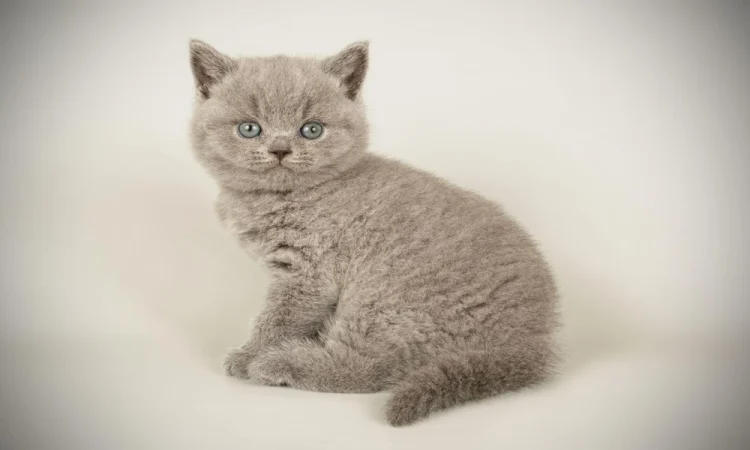

Welcoming a fluffy new feline into your home brings endless joy, warmth, and entertaining antics. With their round teddy-bear faces, copper eyes, and dense plush coats, British Shorthairs remain one of the most beloved cat breeds across the globe. Amongst the array of coat colours, the iconic slate-grey version holds a special place in the hearts of cat enthusiasts everywhere.
Bringing home a British Blue Hair kitten marks the beginning of a wonderful companion journey. These easygoing felines bring a calm, affectionate presence to any household, adapting seamlessly to busy family environments. Understanding their unique personality traits, diet requirements, and grooming needs helps you provide the best possible care right from day one.
The Teddy Bear Aesthetic: Physical Features and Variations
The physical charm of a British Blue Hair kitten lies in its sturdy, cobby build, broad chest, and irresistibly round cheeks. Their dense double coat feels like soft velvet, providing a plush cushion that keeps them comfortable.
- Coat Texture – British Blue has an extremely dense, crisp, and plush double coat, while the Snow-White Variant has an equally plush double coat requiring frequent stain checks.
- Eye Colour – British Blue features deep copper, orange, or brilliant amber eyes, compared to sapphire blue, deep gold, or striking odd eyes in the Snow-White Variant.
- Temperament – British Blue is easygoing, patient, independent, and calm, whereas the Snow-White Variant is quiet, gentle, highly affectionate, and observant.
- Maintenance – British Blue requires weekly brushing to manage loose undercoat hair, while the Snow-White Variant needs regular tear-stain wiping along with weekly brushing routines.
While the blue coat remains the classic hallmark of the breed, breeders also produce breathtaking variations. For instance, a striking white British Shorthair offers the same chunky body shape and gentle disposition, paired with a pristine snow-coloured coat. Exploring these colour varieties allows prospective owners to appreciate the remarkable versatility within this historic lineage.
Easygoing Companions: Understanding Their Calming Personality
Unlike high-energy breeds that zoom across curtains or demand constant games of fetch, these plush felines prefer a relaxed lifestyle. They observe daily household routines with quiet curiosity, following you from room to room without demanding constant lap time.
Their easygoing nature makes them fantastic companions for working adults, seniors, and families with children. They handle alone time well during workday hours, provided you offer engaging toys, sturdy scratching posts, and cosy resting spots. While they love lounging near their favourite humans, they appreciate having their own space. Respecting their preference for keeping all four paws on the ground creates a deep bond of trust between you and your new pet.
Grooming and Nutrition: Keeping Your Kitten Healthy
Maintaining that iconic plush coat requires a consistent, straightforward grooming routine. Despite their dense fur, these cats do not mat easily, making coat maintenance remarkably simple compared to long-haired breeds.
- Weekly Brushing – Use a fine-toothed slicker brush once or twice a week to remove loose undercoat hair and reduce hairballs.
- Balanced Nutrition – Feed high-quality, protein-rich kitten food to support heavy bone development and healthy muscle growth.
- Portion Control – Monitor daily food intake carefully because this stocky breed gains weight easily if overfed or under-exercised.
- Fresh Hydration – Place multiple water fountains or wide ceramic bowls around your home to encourage frequent drinking habits.
- Nail and Ear Care – Trim the tips of their claws every fortnight and inspect their ears weekly for dirt or wax buildup.
Combining proper portion control with regular play sessions preserves your cat’s sleek build and supports strong joints throughout their adult life.
Health Foundations: Long-Term Care and Wellness
Building a solid health foundation early guarantees a long, happy life for your feline friend. Responsible owners schedule routine veterinary check-ups to track growth milestones, administer core vaccinations, and manage preventative flea and worming treatments.
Furthermore, owners should source their pets from reputable breeders who conduct genetic screening. Genetic testing helps protect your feline against hereditary conditions like Hypertrophic Cardiomyopathy (HCM) and Polycystic Kidney Disease (PKD). Providing a safe indoor environment, engaging puzzle feeders, and plenty of love keeps your pet thriving for up to fifteen years or more. Whether you select a traditional slate-grey companion or a snow-coloured white British Shorthair, proactive healthcare guarantees a lifetime of happy memories together.
Frequently Asked Questions
Do British Blue kittens get along well with dogs and other pets?
Yes. Their calm and patient temperament allows them to adapt exceptionally well to living alongside cat-friendly dogs and other household pets when you introduce them gradually.
How big do British Shorthair cats grow when fully mature?
Males typically weigh between 4.5 to 8 kilograms, while females weigh between 3.5 to 5.5 kilograms. They mature slowly, taking up to three to four years to reach full physical development.
Are British Blue kittens suitable for apartment living?
Absolutely. Their quiet nature, low tendency to vocalise, and relaxed energy levels make them ideal companions for apartment living and smaller homes.
Welcoming a Lifetime Companion into Your Home
Bringing home a British Blue Hair kitten brings unparalleled charm, warmth, and serene companionship into your daily life. By offering balanced nutrition, basic weekly grooming, and a calm environment, you build the foundation for a deeply rewarding friendship. These loyal, handsome felines enrich your household with their quiet affection, making every day at home feel extra special.
Ready to welcome a healthy, beautifully bred kitten into your family? Visit Xi Meow Pet today to discover your new best friend!