


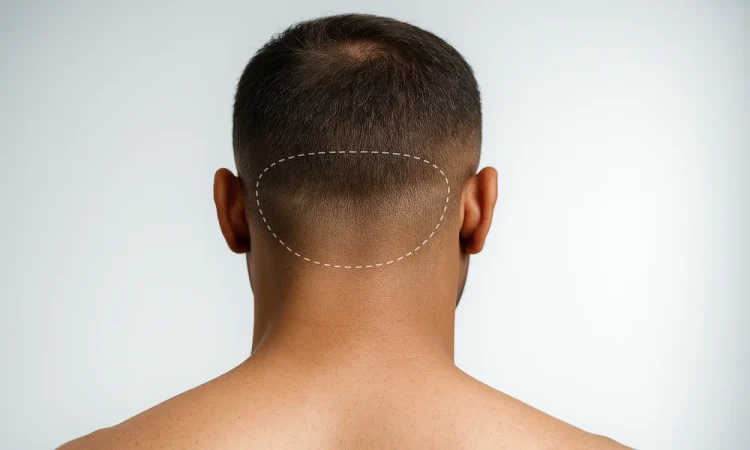
Most people who look into a dhi hair transplant clinic bangkok lead with price when comparing options. Almost nobody mentions the donor area, though it’s the one resource nobody can grow back once it’s gone.
That patch of scalp at the back of the head only has so many usable follicles, and every graft moved from it is a graft that can never be moved again. Once that sinks in, the whole decision looks different.
Where the Methods Actually Diverge
Most restoration methods start the same way. Follicles get lifted from a dense area, usually the back of the scalp, and prepped for placement elsewhere. Where methods split apart is what happens next. Some approaches cut a channel first and insert the graft afterward. That is a process done in two separate steps.
A clinic offering this method in Bangkok will typically use a single tool instead, one that opens the channel and places the follicle in the same motion. That difference in mechanics is what actually separates the options, not the language used to sell them.
The Single Step’s Real Effect
Skipping the separate step of cutting the channel means less time outside the body for the follicle, and less handling overall. Grafts that sit exposed longer, or pass through more tools, tend to survive at lower rates.
A follicle placed within seconds of being lifted keeps more of its shot at taking root. Not a cosmetic detail. It’s the actual mechanism behind why one method claims higher density in tight areas like a hairline or crown.
Comparing the Two Methods
| Factor | Two Step Method | Single Step Method |
|---|---|---|
| Channel creation | Separate step before placement | Happens right as the graft goes in |
| Graft handling | More contact with tools | Minimal handling |
| Best suited for | Larger areas, lower budget | Precise zones, maximum density |
| Recovery pattern | Slightly larger scabbing | Small wounds that shed faster |
| Typical cost | Lower | Higher, since the tool itself costs more |
No column here wins outright. Someone needing thousands of grafts across a wide area may find the two step approach more practical, and cheaper.
Someone chasing maximum density in a small, visible zone often gets more value from the single step tool. Even at a higher price.
The Donor Area Doesn’t Refill Itself
The number of usable follicles at the back of the scalp is fixed, no matter which technique gets chosen. Overharvest it now, chasing a fuller look this year, and there may be nothing left to draw on if thinning continues later.
A real consultation includes an actual count of what’s available, and some plan for how much gets used today versus saved for later.
Anyone weighing a dhi hair transplant clinic bangkok against other options should expect the consultation to cover all of this before anything gets scheduled.
Healing Doesn’t Follow a Wish List
New hair doesn’t show up on request. Some of the newly placed hair sheds in the first few months after a procedure, and that’s a normal part of the cycle, not a failure, even though it rarely feels that way at the time.
Genuine new growth tends to begin around the four to six month mark, starting fine and thickening over time. Full, mature results usually aren’t visible until well over a year has passed. Anyone expecting a finished look within weeks is working from the wrong timeline.
Common Questions
Does a higher price always mean a better result?
Not always. Price differences often reflect the tool and technique, not the skill of the person operating it. A skilled surgeon using either method will generally outperform an inexperienced one using the pricier tool.
Is shaving the head always required?
Not for every method. Some approaches allow a procedure that skips shaving the recipient area entirely, though the donor zone often needs at least partial trimming regardless of technique.
The method matters. But it only matters in service of a bigger decision. Protecting a resource that cannot be replaced once it runs out is the real goal.

