

When Conservative Approaches May Be Considered for Slipped Disc Treatment


Quick Insights for Spinal Health
- Conservative management is often the primary and most effective line of defence for many spinal conditions.
- Most symptoms improve significantly with guided physical therapy, targeted medication, and necessary lifestyle adjustments.
- Consistency in your recovery programme is vital for successful, long-term spinal health.
- Professional medical monitoring ensures your recovery remains safe and effective while preventing potential long-term damage.
Understanding Your Recovery Options
Dealing with back pain often triggers an immediate fear that surgery is the only solution. However, the reality of spinal health is far more nuanced. Many patients assume that a diagnosis involving a slipped disc automatically requires an operating theatre, but this is rarely the case. For a significant number of individuals, conservative management is not only a viable option but often the most effective starting point. Understanding when non-surgical methods are appropriate can help you regain control over your comfort and mobility without the anxiety of invasive procedures. By prioritising rest, controlled movement, and expert medical guidance, you can often address the root cause of your discomfort and build a foundation for long-term health.
What Exactly Is A Slipped Disc?
At its core, a slipped disc, medically known as a herniated or prolapsed disc, occurs when the soft, gel-like centre of one of your spinal discs pushes through a tear in its tougher outer layer. Think of a jam doughnut that has been squeezed; the inner filling leaks out. When this material leaks, it can press on the sensitive nerves running alongside your spine. This compression is usually what triggers the pain, tingling, or weakness that patients describe. While the condition can be alarming, it is essentially a mechanical issue that the body is often capable of repairing or managing itself with the right support. It is rarely an overnight disaster, but rather something that requires steady, informed attention.
When Is Non-Surgical Care Appropriate For Slipped Disc Treatment?
For many patients, conservative slipped disc treatment is the gold standard for initial recovery. The goal here is to reduce inflammation and allow the body time to heal naturally. Medical professionals typically recommend a structured, non-invasive approach that focuses on restoring balance to your spine.
You can often expect a recovery plan that includes:
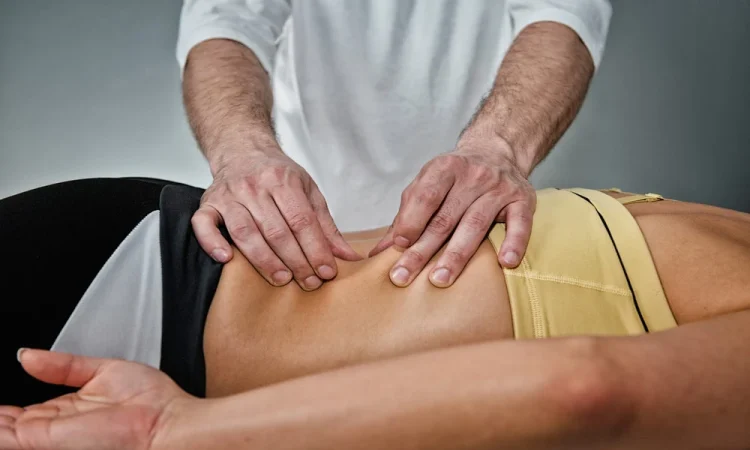
- Physiotherapy: A personalised programme designed to strengthen the core muscles supporting your spine while improving flexibility.
- Medication: Targeted anti-inflammatory drugs and pain relievers to manage symptoms and allow you to stay active without excessive discomfort.
- Activity Modification: Identifying and pausing the movements that aggravate your symptoms, such as heavy lifting or prolonged sitting, while introducing low-impact movement.
- Epidural Steroid Injections: In cases where pain hinders movement, these can provide temporary but powerful relief from nerve irritation.
By focusing on these areas, you provide your body with the necessary conditions to resolve the nerve compression itself.
How Do Doctors Monitor Your Progress?
A conservative approach does not mean simply waiting and hoping for the best. It requires diligent monitoring to ensure you are truly recovering. When you work with a back pain specialist, they will use physical assessments to check your reflexes, muscle strength, and sensation in your limbs. These check-ups are essential to confirm that your nerve function is improving and not deteriorating. If progress stalls, imaging tests such as an MRI may be used to look deeper and adjust your plan. This iterative process allows your healthcare team to pivot quickly if your symptoms don’t respond as expected, ensuring you are never left guessing about your recovery status.
When Should You Consult A Back Pain Specialist?
Knowing when to move from self-care to professional intervention is crucial. While mild discomfort might fade with rest, persistent or worsening symptoms are clear signals that you need expert input. If you find that your pain is radiating down your legs, causing significant numbness, or affecting your ability to perform daily tasks, you should seek guidance immediately. A back pain specialist or doctor can provide a definitive diagnosis, ruling out other complex conditions and ensuring your treatment is tailored to your specific anatomy and lifestyle. Do not wait for symptoms to become unbearable. Early intervention often leads to better outcomes and can prevent the need for more complex procedures later on.
Taking the Next Step Towards Relief
Managing spinal health is about finding the balance between patience and professional action. You do not have to navigate this uncertainty alone. If you are struggling with persistent pain and are unsure about the best path forward, reach out to us at Achieve Spine & Orthopaedic Centre to explore your options and find a personalised plan for your recovery.