

The Synergistic Power: Combining K-Taping and Acupuncture for Advanced Musculoskeletal Pain Relief

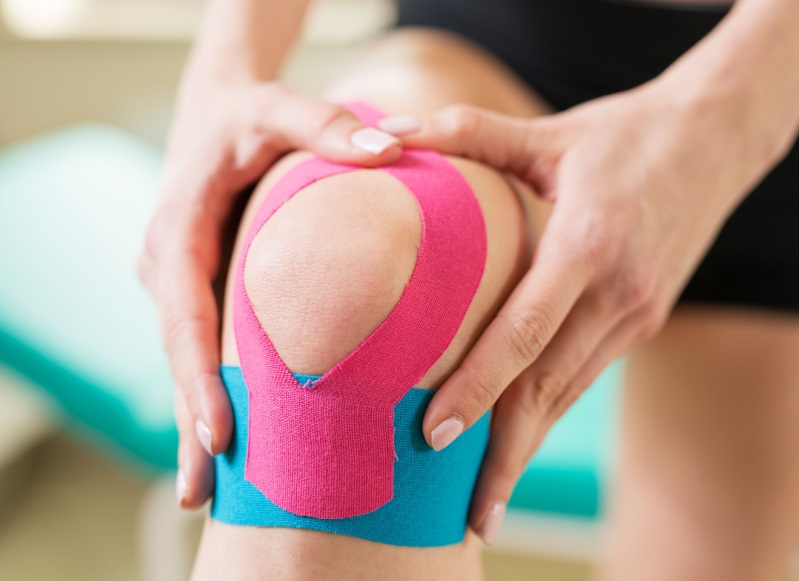
Musculoskeletal pain—ranging from acute sports injuries to chronic conditions like lower back pain—affects millions globally, significantly impacting quality of life. While conventional treatments often focus on pharmaceutical intervention or singular physical therapies, a paradigm shift is occurring towards integrative medicine. Two therapies, one ancient and one modern, are proving to be remarkably effective when used together: Acupuncture and K Taping (Kinesiology Taping).
The true innovation lies not just in using these modalities side-by-side, but in harnessing their synergistic power. By understanding how their distinct neurological and physiological mechanisms complement each other, practitioners can achieve advanced, sustained pain relief and accelerated functional recovery that neither therapy can deliver alone.
Bridging Traditional and Modern Healing
At first glance, Acupuncture and K-Taping appear fundamentally different. Acupuncture, rooted in Traditional Chinese Medicine (TCM), involves the precise insertion of fine needles into specific points along meridians to restore the body’s balance and flow of Qi (energy). K-Taping, a modern rehabilitation technique, utilizes elastic therapeutic tape applied over muscles and joints to provide support, reduce swelling, and influence movement patterns.
However, a closer look reveals a powerful common thread: both therapies primarily interact with the neurosensory and fascial systems of the body.
The Mechanism of Acupuncture: Neurological and Biochemical Impact
Acupuncture’s effectiveness in pain management is no longer merely anecdotal; it is substantiated by extensive scientific research confirming its powerful influence on the central nervous system.
Pain Gate Modulation
Acupuncture works partly by activating the Gate Control Theory of Pain. The stimulation from the needles excites certain nerve fibres, effectively closing the “gate” that transmits pain signals to the brain. Beyond this sensory modulation, Acupuncture triggers the body’s natural pharmacy.
Endogenous Opioid Release
Needling specific points stimulates the hypothalamus and pituitary gland to release endogenous opioids, such as endorphins and enkephalins. These chemicals are the body’s natural painkillers, providing systemic analgesic effects that can last for hours or even days.
Anti-Inflammatory Action
Modern studies indicate that Acupuncture has a potent anti-inflammatory effect. By influencing the release of various neurotransmitters and neuropeptides, it can modulate the body’s inflammatory response, reducing localised swelling and tissue irritation—a foundational step in managing chronic musculoskeletal issues.
The Mechanism of K-Taping: Proprioception and Sustained Support
K-Taping is a revolutionary tool that acts as a continuous therapeutic influence on the body, offering support without restricting full range of motion. The tape itself is highly elastic, cotton-based, and applied with varying degrees of tension.
Enhancing Proprioception
When applied to the skin, K-Taping creates a constant, gentle pull, lifting the superficial layer. This lift creates space, increasing blood and lymphatic flow, and crucially, stimulates the vast network of mechanoreceptors in the skin. This sensory input significantly enhances proprioception—the body’s awareness of its position and movement.
By improving proprioceptive feedback, the tape helps:
- Correct faulty movement patterns.
- Reduce muscle over-activity or inhibition.
- Support joints and fascia during activity.
Pain Relief Through Pressure Reduction
The lifting action of the tape can also decompress pain receptors located just beneath the skin. In areas of injury or overuse, inflammation often causes fluid buildup, pressing on these receptors. K-Taping physically creates a microscopic space, which can result in immediate and palpable pain reduction.
Sustained Therapeutic Effect
K-Taping’s greatest advantage is its ability to provide a 24/7 therapeutic presence. Once applied, it works constantly, reinforcing the corrected posture and muscle activation patterns, even when the patient is asleep or going about daily activities.
The Synergy: Maximising Therapeutic Efficacy
The power of combining K-Taping and Acupuncture lies in the dual, sustained action they provide across neurological, biochemical, and mechanical pathways.
1. Prolonging Analgesic Effects
Acupuncture provides an acute, profound burst of pain relief by triggering the release of endorphins and reducing immediate inflammation. However, its effects can wane. K-Taping is then applied to lock in this pain-free or reduced-pain state. The continuous stimulation from the tape sustains the sensory input, keeping the pain gate partially closed and allowing the body’s natural healing mechanisms to proceed without the constant interference of pain signals.
2. Reinforcing Motor and Postural Correction
Acupuncture often relaxes hypertonic (overly tight) muscles and restores balance to underlying soft tissues. Once this myofascial balance is achieved, K-Taping can be applied strategically to:
- Support the newly relaxed muscles, preventing them from immediately tensing up again.
- Cue the patient toward correct posture, acting as a tactile reminder of the optimal body alignment achieved during the treatment session.
3. Enhancing Recovery Between Sessions
For chronic conditions or acute athletic injuries, frequent therapeutic intervention is critical. K-Taping acts as a constant “take-home” support mechanism. It provides necessary joint stability and improved lymphatic drainage—essential for clearing inflammatory byproducts—in the critical hours and days between Acupuncture sessions. This continuity of care accelerates the overall healing process.
4. Comprehensive Tissue Management
In injuries involving significant swelling, Acupuncture is highly effective in stimulating circulation and reducing fluid retention. K-Taping, applied in a fan or web pattern, physically assists the lymphatic system in draining the excess fluid. This combined approach rapidly reduces swelling and bruising, directly speeding up the biological repair process.
Integrative Protocols: Practical Application
A typical integrative protocol might involve:
- Acupuncture Treatment: Focused needling is used to address the root energetic imbalance, release local muscle trigger points, and initiate the systemic release of endogenous pain relief chemicals.
- Immediate Reassessment: The practitioner evaluates the immediate change in pain level and range of motion.
- K-Taping Application: Based on the new, improved movement pattern, K-Taping is applied to support the targeted joint, facilitate the weak muscle group, or encourage lymphatic drainage.
This powerful sequence ensures that the patient leaves the clinic not only with immediate relief but also with active, constant support, dramatically increasing the efficacy and longevity of each treatment. By blending the deep, biochemical influence of Acupuncture with the continuous, mechanical support of K-Taping, practitioners offer a truly advanced, holistic solution for complex musculoskeletal pain.
Conclusion: The Future of Pain Management
The strategic combination of K-Taping and Acupuncture represents a best-of-both-worlds approach. It respects the body’s innate ability to heal, leverages ancient wisdom for systemic balance, and utilizes modern technology for sustained, mechanical support. This synergy provides patients with superior, lasting relief from pain and a faster return to optimal function, making it a cornerstone of contemporary integrative health and rehabilitation.

