


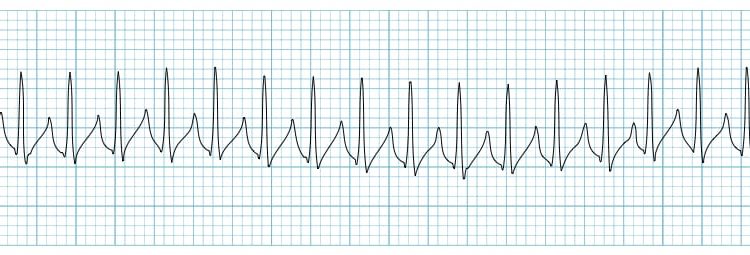

Supraventricular tachycardia, often called SVT, is a type of heart rhythm disorder that causes the heart to beat much faster than normal. While it can feel alarming, SVT is usually not life-threatening and can often be managed effectively with the right care. Learning about this condition can help you recognize symptoms early, understand your treatment options, and take control of your heart health.
What Is Supraventricular Tachycardia?
Supraventricular tachycardia is an abnormal heart rhythm that starts in the upper chambers of the heart, known as the atria. The word “supraventricular” means “above the ventricles,” which refers to where the rapid heartbeat begins. During an SVT episode, the heart may beat 150 to 250 times per minute, as opposed to the typical resting heart rate of 60 to 100 beats per minute.
This rapid rhythm happens because of faulty electrical signals in the heart. Instead of following the normal pathway, these signals loop or take shortcuts, causing the heart to beat too fast.
Common Symptoms Of SVT
SVT symptoms can vary from person to person. Some people feel mild discomfort, while others experience more intense sensations. A quick, fast heartbeat, palpitations, chest pain, dyspnea, lightheadedness, and exhaustion are typical symptoms. Some people also feel anxious or lightheaded during an episode.
Episodes can start and stop suddenly and may last from a few seconds to several hours. In rare cases, fainting may occur if the heart is unable to pump enough blood to the body during a prolonged episode.
What Causes Supraventricular Tachycardia?
SVT is usually caused by abnormal electrical pathways in the heart. Some people are born with extra pathways, while others develop them over time. Certain factors can trigger SVT episodes, including stress, caffeine, alcohol, smoking, lack of sleep, dehydration, and some medications.
The risk of SVT might also be raised by medical diseases such as lung issues, thyroid issues, or heart disease. However, the precise cause is frequently unknown, and episodes may happen for no apparent reason.
Types Of SVT
There are several types of supraventricular tachycardia. The most common include atrioventricular nodal reentrant tachycardia (AVNRT), atrioventricular reentrant tachycardia (AVRT), and atrial tachycardia. Each type involves different electrical pathways but results in similar symptoms. A cardiologist can determine the exact type through diagnostic tests.
How Is SVT Diagnosed?
A physical examination and a review of your symptoms and medical history are typically the first steps in a doctor’s diagnosis of SVT. An electrocardiogram, or ECG, is the most common test used to detect abnormal heart rhythms. Your doctor might suggest a Holter monitor or event recorder to monitor your cardiac rhythm over a few days if the episode does not occur during the exam.
In some cases, additional tests such as an echocardiogram or electrophysiology study may be used to examine heart structure and electrical activity more closely.
Treatment Options For SVT
Treatment for supraventricular tachycardia depends on how often episodes occur and how severe they are. Some mild cases may not require treatment, especially if episodes are rare and short.
For sudden episodes, doctors may recommend vagal maneuvers. These are simple actions, such as coughing, holding your breath, or splashing cold water on your face, to help slow the heart rate. Medications can also be used to control heart rhythm or prevent future episodes.
For people with frequent or severe SVT, catheter ablation may be an option. In this minimally invasive process, the aberrant electrical pathways that are generating the rapid pulse are destroyed using either heat or cold energy. Ablation is often highly successful and may provide a permanent solution.
Living With Supraventricular Tachycardia
Many people with SVT live full and active lives. Making healthy lifestyle choices can help reduce episodes. Limiting caffeine and alcohol, managing stress, staying hydrated, and getting enough sleep can make a big difference.
Additionally, it’s critical to heed your doctor’s recommendations, take prescription drugs as directed, and schedule routine examinations. You and your healthcare practitioner can modify your treatment plan as necessary if you keep note of your symptoms and triggers.
When To Seek Medical Help?
Although SVT is generally not harmful, you should consult a doctor if you have significant shortness of breath, chest pain, fainting, or longer-than-normal episodes. These could be signs of a more serious heart condition.
Conclusion
Understanding supraventricular tachycardia is the first step toward managing it effectively. Although the sudden, rapid heartbeat can feel frightening, SVT is often treatable with lifestyle changes, medications, or medical procedures. Most people can manage their symptoms and live a healthy, active life with medical help. A reliable diagnosis and specific treatment plan are available from cardiologists if you suspect SVT.