


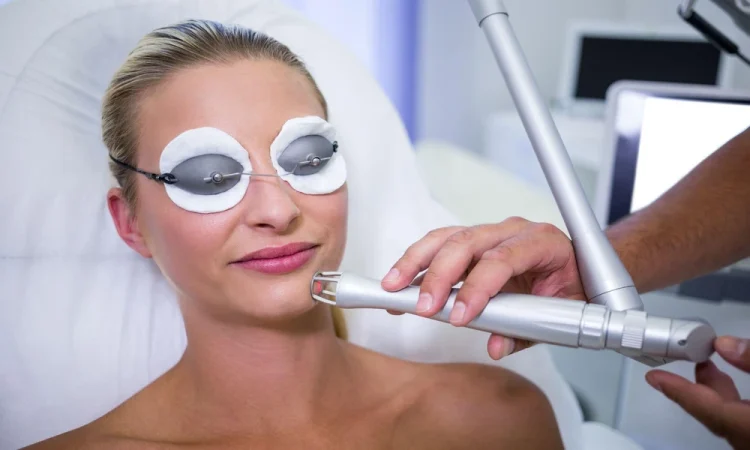

Key Highlights
- Laser energy creates controlled micro-injuries that prompt the skin to rebuild collagen naturally
- Results build gradually over weeks to months as new collagen forms
- Different laser types suit different skin concerns and depths
- Downtime and aftercare vary depending on the treatment’s intensity
Why Laser Collagen Boosts Work
Skin that starts to look thinner, looser, or less bouncy isn’t just about ageing on the surface – it’s largely about collagen slowing down underneath. This is where a collagen laser treatment for face concerns has become a popular option, since it works with the skin’s own repair process rather than just masking the outcome. Instead of adding volume from outside, a laser treatment to boost collagen prompts the skin to rebuild itself, layer by layer. Understanding how that process actually works makes it much easier to know what to expect before booking a session.
How Laser Energy Reaches the Skin
Lasers used for this purpose deliver targeted heat energy into the deeper layers of the skin, known as the dermis, without damaging the outer surface excessively. This heat creates tiny, controlled zones of injury – enough to signal the body to respond, but not enough to cause lasting harm. The skin reads this as a repair job and gets to work. A collagen laser treatment for the face typically focuses on areas where sagging or fine lines are most visible, such as the cheeks, jawline, and around the eyes, where the dermis tends to thin first. The exact depth and intensity of the laser are usually adjusted depending on the specific concern being addressed and how the skin has responded to previous sessions.
The Body’s Natural Repair Response
Once those micro-injuries are in place, the body activates fibroblasts – the cells responsible for producing collagen and elastin. This is the same repair mechanism the skin uses after any minor injury, just triggered in a more controlled and even way across the treated area. Over the following weeks, fibroblasts lay down new collagen fibres, gradually replacing older, weaker ones. It’s a slower process than people often expect, but that gradual pace is part of why a laser treatment to boost collagen tends to look natural rather than sudden or overdone. The skin essentially renovates itself from the inside, one layer at a time, rather than having something added on top of it.
What a Typical Timeline Looks Like
Results from a laser treatment to boost collagen don’t appear overnight, since new collagen takes time to form and mature. Here’s a general idea of how the process tends to unfold:
| Timeframe | What’s Happening |
| Days 1-7 | Redness settles, skin begins initial repair |
| Weeks 2-4 | Fibroblast activity increases, early texture changes |
| Months 1-3 | New collagen fibres form and organise |
| Months 3-6 | Firmness and texture improvements become more visible |
Most people need more than one session to see a noticeable difference, spaced several weeks apart to let the skin recover between treatments.
Who Tends to Consider This Treatment
This type of treatment is often considered by people noticing early signs of skin laxity, uneven texture, or fine lines rather than deep sagging, since it works best on skin that still has some capacity to regenerate. It’s also chosen by those who want a more gradual result than more invasive procedures. A collagen laser treatment for face concerns generally suits people who are comfortable waiting several months to see the full effect, rather than expecting an immediate change. That said, skin type, sun exposure history, and any underlying conditions all affect suitability, so a proper consultation matters more than assumptions based on age or appearance alone. Realistic expectations about pacing and the number of sessions needed also help avoid disappointment later on.
Long-Term Skin Rejuvenation Benefits
Laser treatments work because they lean on the skin’s own ability to repair and rebuild rather than working against it. The process takes patience – collagen doesn’t form overnight – but that gradual timeline is often exactly why the results tend to hold up well and look like the skin’s own improvement rather than an obvious intervention. Understanding this rebuilding process, rather than expecting instant change, tends to make the whole experience feel far more worthwhile.
Contact Dr Valentin Low to discuss whether a laser-based approach suits your skin’s current needs and goals.