



Key Highlights
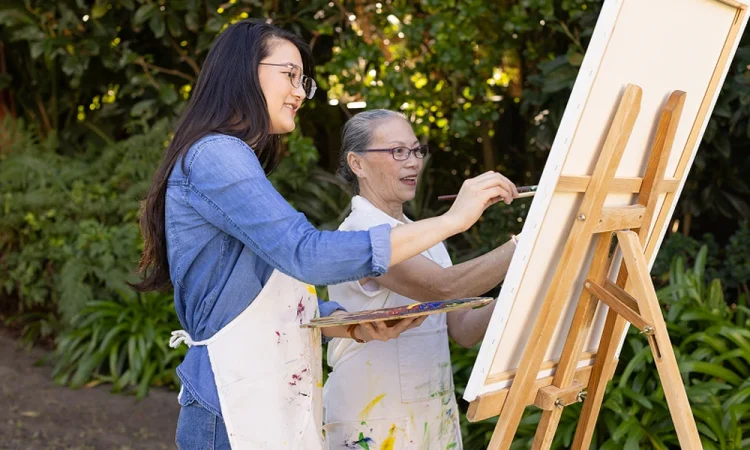
- Caregivers assist with physical tasks while encouraging seniors to perform what they can.
- Having professional support at home prevents the need for institutionalised care.
- Live-in help ensures that the home environment is adapted for safety and accessibility.
- Companionship from a caregiver boosts the confidence needed to remain socially active.
Introduction
For many seniors, the word independence is synonymous with staying in their own home. The thought of moving into an assisted living facility or a nursing home can be daunting, often leading to a sense of loss of control. However, as physical or cognitive abilities decline, maintaining a household without help becomes nearly impossible. This is where the services of a maid agency for elderly care become essential. Rather than taking away a senior’s autonomy, a live-in elderly caregiver acts as an enabling force. By providing just the right amount of support, these professionals allow seniors to continue living in familiar surroundings while ensuring their health and safety are managed. Professional home care is not about doing everything for the senior; it is about providing the assistance necessary to help them live life on their own terms.
Maintaining Familiarity and Comfort
The psychological benefit of staying in one’s own home cannot be overstated. A familiar environment, filled with years of memories, provides a sense of security that a clinical setting can never replicate. When families hire a live-in elderly caregiver, they are choosing to preserve this comfort. A caregiver helps the senior navigate their space, ensuring they can still sleep in their bed, sit in their favourite chair, and follow their established habits. This continuity is particularly beneficial for those in the early stages of cognitive decline, as a change in environment can often lead to increased confusion and distress.
A maid agency for elderly care understands that the goal is to keep the seniors integrated into their community. Whether it is a daily walk to a nearby park or visiting a local market, a caregiver provides the physical support needed to keep these routines alive. Because the caregiver lives on-site, they can adapt to the senior’s pace, ensuring they never feel rushed or pressured. This personalised approach respects the senior’s history and personal preferences, fostering a dignified lifestyle that promotes mental well-being and a positive outlook on ageing.
Assistance with Activities of Daily Living
Independence is often hindered by the inability to perform basic tasks, known as Activities of Daily Living (ADLs). These include bathing, dressing, grooming, and meal preparation. When these tasks become difficult, seniors may feel shame or frustration. A live-in elderly caregiver provides discreet and respectful assistance with these chores. By taking the physical burden off the senior, the caregiver frees up the senior’s energy for more enjoyable activities. For example, if a senior no longer has to struggle with cooking a meal, they might have the stamina to engage in a hobby or spend time with grandchildren.
A reputable maid agency for elderly care trains its staff to encourage functional independence. This means the caregiver allows the senior to do as much as they safely can, only stepping in when necessary. If a senior can still brush their own hair or choose their own clothes, the caregiver supports that choice. This balance of help and autonomy is vital for maintaining self-esteem. It transforms the caregiver from a boss into a facilitator, ensuring the senior remains the protagonist of their own life story while still receiving the physical help required to stay healthy.
Enhancing Safety and Mobility at Home
The fear of falling is one of the primary reasons seniors lose their independence. Once a fall occurs, many seniors become afraid to move, leading to muscle atrophy and further loss of mobility. A live-in elderly caregiver acts as a constant safety net, providing a steady arm during walks and helping with transfers from beds to chairs. This presence gives the senior the confidence to move around their home more freely. When a senior feels safe, they are more likely to remain active, which is essential for maintaining physical strength and balance.
Moreover, a caregiver hired through a maid agency for elderly care can help identify and mitigate household hazards. They can ensure that walkways are clear, lighting is adequate, and rugs are secured. They also monitor the seniors’ physical condition daily, noticing if they seem more unsteady than usual. By catching small issues before they become major injuries, the caregiver helps the senior avoid the hospital stays that often signal the end of independent living. This proactive safety management is key to a long and successful period of ageing in place.
Emotional Support and Cognitive Stimulation
Independent ageing is not just about physical health; it is about keeping the mind sharp and the spirit high. Social isolation is a significant threat to independence, as it often leads to a decline in cognitive function. A live-in elderly caregiver provides consistent social interaction, which is vital for mental health. Whether it is playing card games, discussing current events, or simply sharing a cup of tea, these daily interactions keep the seniors’ brains engaged. This stimulation can slow the progression of memory-related issues and keep the senior feeling connected to the world.
A maid agency for elderly care often matches caregivers with seniors based on shared interests, ensuring that the companionship is genuine. This relationship provides a sense of purpose for the senior, who may otherwise feel like they have become a burden to their family. Having someone dedicated to their well-being allows the senior to express their thoughts and feelings freely. This emotional support reduces anxiety and builds the resilience needed to face the challenges of ageing. When a senior feels emotionally supported and mentally stimulated, they are far more likely to maintain their independence for as long as possible.
Conclusion
The presence of a professional caregiver is often the deciding factor in whether a senior can remain at home or must move to a care facility. By providing physical assistance, ensuring safety, and offering emotional companionship, a live-in professional empowers seniors to maintain their autonomy. Choosing the right support through a dedicated agency ensures that the care provided is of the highest standard. Ultimately, independent ageing is about quality of life, and with the right help, seniors can continue to lead vibrant, dignified, and meaningful lives in the homes they love.
To empower your loved one with the support they need to age gracefully at home, contact Top Faith to find a qualified caregiver today.